
A pet emergency plan needs to include the animals that live in cages, tanks and other enclosures. A household may know how to take a dog through the front door yet have no clear plan for a bird, a reptile or a small mammal. The useful questions are practical: who is responsible, what can travel and where the animal can stay?
Think about each kind of animal separately. The enclosure used at home may be too heavy or awkward to move. A smaller travel carrier may be more manageable, but it still needs to suit the animal. Ask a veterinarian familiar with that species about transport needs before an emergency. A generic container is not a plan.
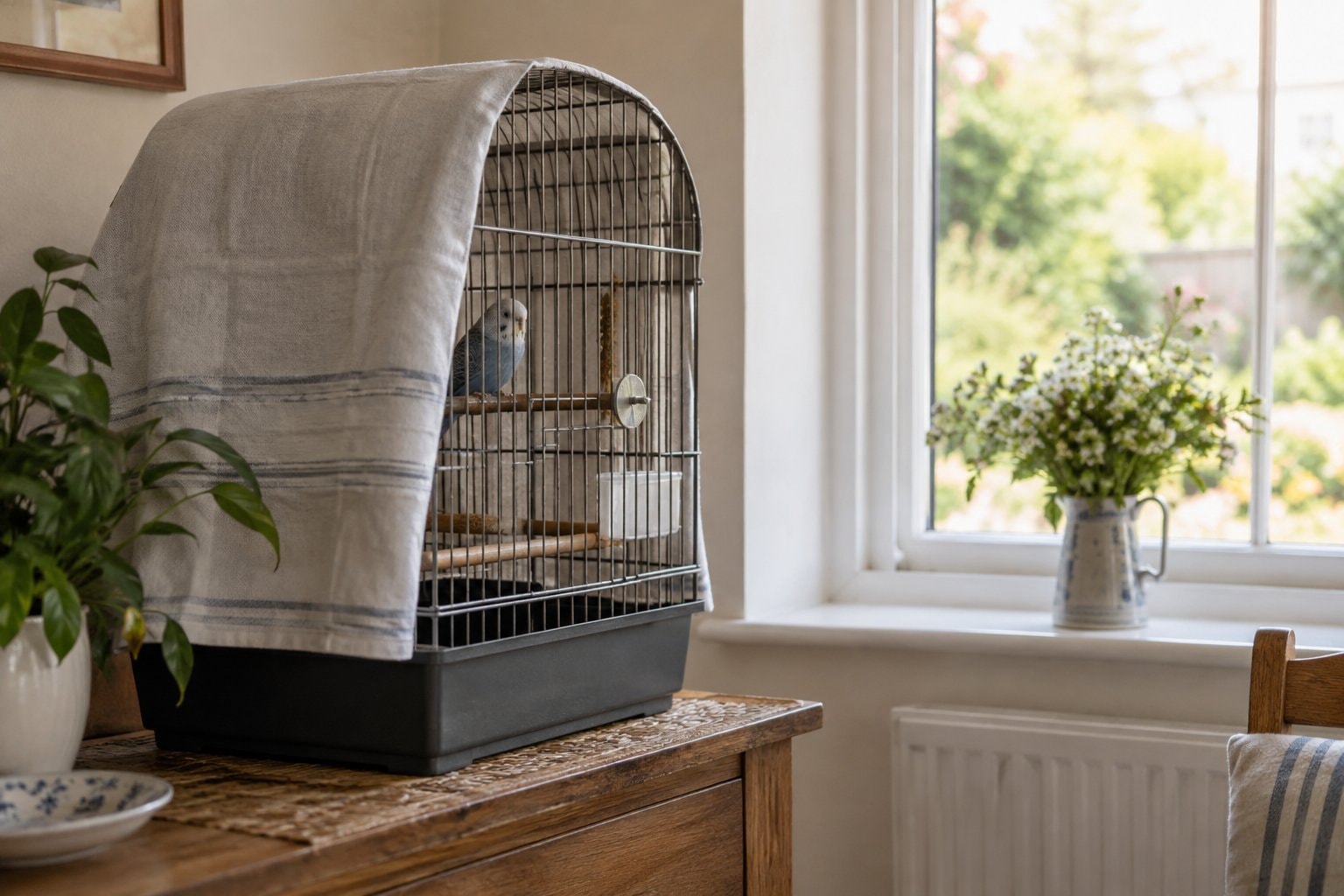
Smoke exposure needs a veterinarian
The Merck Veterinary Manual's account of smoke inhalation explains that smaller animals, and birds in particular, are often more susceptible to inhaled harmful substances. It also explains that injury may not be obvious straight away. An animal that has been in smoke needs a veterinary check even if its appearance seems reassuring.
Tell the veterinarian which animal was exposed, where its enclosure was and what is known about the smoke. Share relevant care records and explain any ordinary needs that a temporary caregiver would need to know. Do not use a quiet appearance as a reason to postpone asking for professional help. This guide offers no diagnosis or home treatment.
If a fire is happening now, get everyone out and call 911. Never re-enter for a cage or tank. Tell firefighters where the animals are, what kinds are present and how their enclosures open. Useful information is more helpful than trying to solve the situation from inside an unsafe home.
Keep birds away from cooking fumes
A bird's home deserves attention when reviewing household fire and fume hazards. Wikipedia's reference on non-stick coatings reports that fumes produced when these coatings overheat can be lethal to birds. The point for household planning is the hazard itself, rather than a brand, a cooking-temperature target or an attempt to judge fumes by sight.
Review where the bird is housed in relation to cooking and other household activities. Discuss species-specific concerns with a veterinarian. Do not assume that a room where people feel comfortable establishes that an exposed bird is well. Keep the bird's transport arrangement available so leaving does not depend on finding a container at the last moment.
For travel, plan a secure carrier or cage that an adult can move safely. Check doors and fastening points in ordinary conditions. A cover suitable for the enclosure may be part of the transport arrangement, but it must not turn the container into something that cannot be managed or checked. Obtain advice about the animal's particular travel needs.
History is not a household warning system
Canaries in coal mines are a familiar historical example of animal sensitivity to gases. Wikipedia's sentinel-species reference describes their use in mines and connects their vulnerability with rapid breathing, small size and metabolism. That history is not a reason to watch a pet for signs that a home is unsafe.
Never rely on a bird or another animal to detect a gas leak or carbon monoxide. Household alarms and emergency instructions belong in the plan for people and animals alike. A pet is someone to take out of danger, not a substitute for warning equipment. The guide to gas leaks and carbon monoxide covers that distinction in more detail.
Reptile equipment belongs in the hazard check
Reptile keeping can involve lamps, cables and powered equipment. Review the arrangement in the same calm way as other household heat sources. Keep equipment clear of curtains, paper and loose bedding. Notice damaged cords, unstable supports or a setup that another adult cannot understand. Ask an appropriate professional about equipment problems rather than making changes.
For an evacuation with time to prepare, discuss travel housing and the destination with a veterinarian familiar with reptiles. Record the animal's ordinary environmental needs for the receiving caregiver. A place willing to accept pets may still lack suitable space or knowledge for an animal kept in a tank. Make those questions part of the conversation in advance.
During a power outage, follow local instructions and the household emergency plan. Do not introduce an unsafe indoor heat source to compensate for equipment losing power. Ask for professional guidance about the animal's needs and explain what equipment is unavailable. The guide to storms and power outages with pets brings the household arrangements together.
Small mammals need secure travel housing
For rabbits, guinea pigs and other small mammals, choose travel housing suited to the species. Check that it closes properly and can be carried without awkward balancing. Keep the relevant bedding, food and feeding information with the travel supplies. An unfamiliar caregiver needs a clear account of ordinary care, rather than assumptions based on keeping a different animal.
Consider the whole route. Can the carrier pass through the door without being tilted? Can an adult manage it alongside the household's other responsibilities? Where will it sit during travel and after arrival? These questions are easier to settle during a quiet review than in a crowded hallway.
Keep a readable list of the kinds of animals in the home, where they are normally housed and which travel containers belong to them. Use clear descriptions. If an enclosure must be opened, its fastening method can be explained to the person responsible for care. Keep the information with the pet emergency kit, rather than relying on memory alone.
The destination matters as much as the carrier. Ask whether a temporary caregiver can house the animal securely and manage its normal needs. Keep records available and discuss any concern with a veterinarian. Planning for these pets is about making space for their different requirements within the same household plan, without asking anyone to take unsafe risks.