
An animal can seem normal after coming out of a fire and still need a veterinary check. Every pet that was in smoke needs that assessment. This site cannot help directly. Tell the fire department on scene about animals still inside, and ask a veterinarian about every animal that has been brought out.
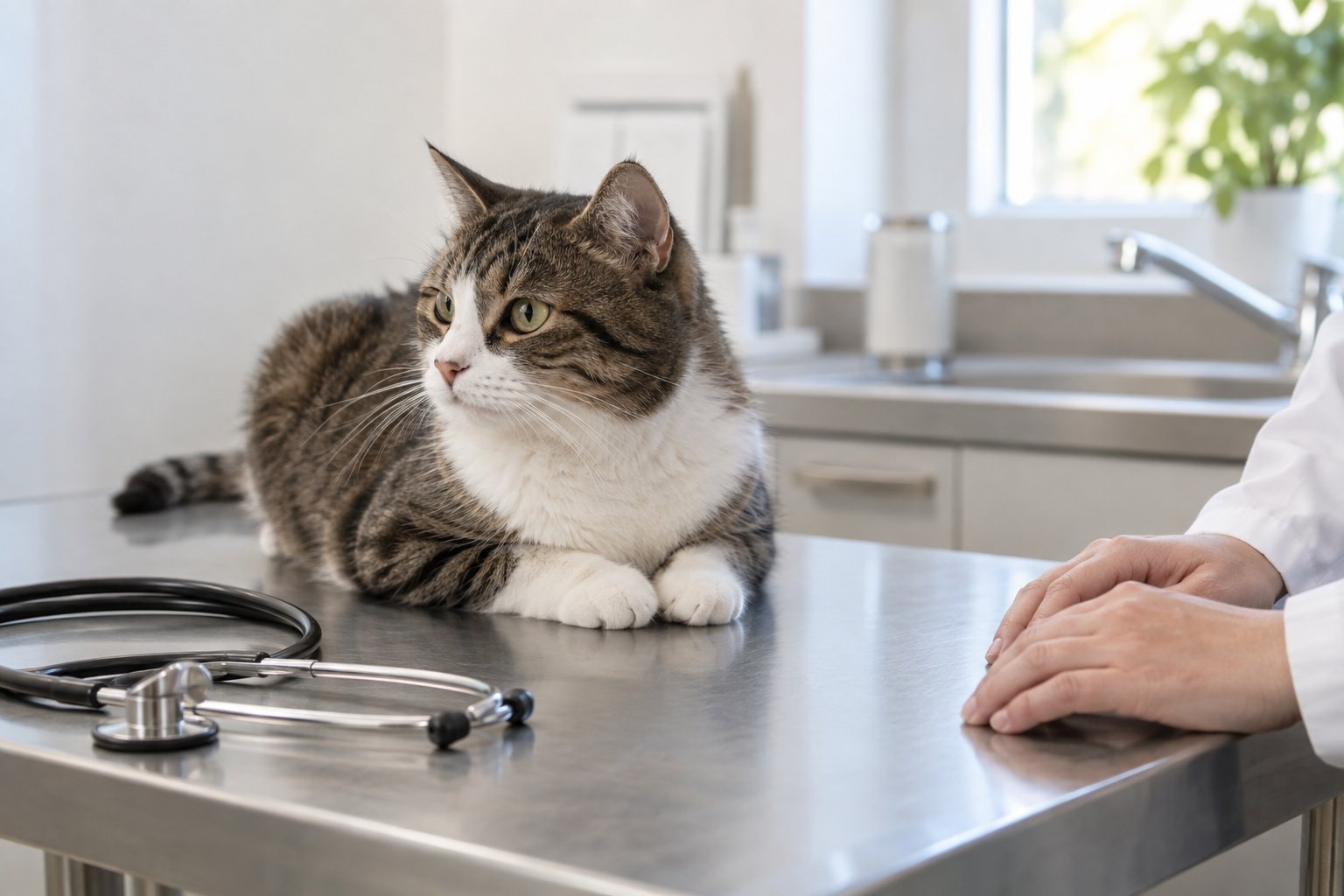
Smoke is more than the cloud that can be seen
The Merck Veterinary Manual describes smoke exposure as a mixture of heat, soot and gases, including carbon monoxide. These can affect an animal in different ways. The smoke’s colour does not explain everything that was in it. Nor does a clean-looking coat explain what an animal breathed while it was inside.
According to the Merck Veterinary Manual, airway problems generally peak 12–24 hours after the initial injury, and injury may be slow to show. The manual also notes that small animals, particularly birds, are usually more susceptible to inhaled harmful substances. These are reasons for a veterinary check after exposure, rather than waiting for a pet to look unwell.
The timing described in the manual is not a waiting period for a household to use. It is a finding about how injury can develop. Do not use it to decide that an animal has passed a safe point. A veterinarian needs the exposure history and the animal itself to decide what assessment and follow-up are needed.
Appearance cannot settle the question
A familiar animal may walk towards its carrier or settle beside its person after leaving the building. Those observations are useful to share, but they do not establish that the animal is unaffected. Tell the veterinarian what happened even when there is no obvious change. Include birds and small pets that were in enclosures, as well as cats and dogs.
The Wikipedia reference on carbon monoxide describes the gas as colourless and odourless and explains that it can be produced by incomplete burning. It cannot be assessed by checking whether a room still smells smoky. The fire department decides whether a building is safe to enter. Keep pets outside it until the relevant officials permit return.
What a veterinary review recorded
A German veterinary-clinic review of dogs and cats after household fires recorded soot, coughing and fast breathing when the animals arrived. It examined records from animals presented after smoke inhalation. That is a description of those cases, not a checklist that a household can use to clear a different pet.
The review does not mean that every exposed animal will show those signs. It also does not mean that an animal without them can skip assessment. If coughing or a change in breathing is noticed, tell the veterinarian promptly. Describe what was observed in plain language. There is no need to choose a medical label before asking for help.
Share what is known about the exposure
The veterinarian may need to know where the animal was, whether that was an enclosed room and what is known about the smoke. Give the approximate period the pet could have been inside if it is known. Explain where it was found and when it came outside. Be clear when nobody saw the entire sequence.
- Say that the animal was in a home fire or another smoky space.
- Describe the room, enclosure or carrier where it was located.
- Share what is known about the source of the smoke and what burned.
- Explain any changes noticed while waiting or travelling.
- Bring accessible records of the animal’s existing veterinarian-directed care.
Do not return to the building to check what burned or to retrieve papers. Information can be incomplete. Tell the veterinarian which details came from a household member and which came from someone else. Avoid filling a gap with a guess. Responders’ account of where a pet was found may be useful if it is available.
Keep the route to help simple
Use the animal’s usual secure carrier or a leash as appropriate, away from the scene. If equipment was left behind, ask people on scene for help with safe containment and transport. Tell the veterinary practice about the fire exposure when arranging the visit. Mention the kind of animal, especially when seeking care for birds, reptiles or small mammals.
A quiet carrier can be part of transport, but it does not replace the check. Do not let an animal loose to see how it behaves. This guide provides no instructions for care at home after smoke exposure. A veterinarian must decide the animal’s care. The first-hours guide brings together the other decisions that follow a house fire.
Pass the facts to the next caregiver
If the animal needs to stay elsewhere, make sure the caregiver knows it was exposed to smoke. Share the veterinarian’s written instructions and how further questions will be answered. Ask who is responsible for any planned follow-up. Temporary accommodation and veterinary care are separate arrangements, and both need to be clear.
Keep the explanation brief enough for the next person to use. Include the exposure, the visit and the instructions that the veterinarian gave. Do not add your own reassurance that the pet is fully well. The temporary accommodation guide helps with questions about a suitable place once the immediate safety and veterinary needs are being addressed.
If the household needs disaster shelter, speak to the Red Cross workers available through the response. For animal care or a missing pet, the local shelter or animal control can explain what is available in the area. Keep following the people handling the incident. A website cannot judge the scene, arrange transport or assess an exposed animal.