
Make the cooking area a place to manage
A county fire and rescue service’s pet safety sheet explains that animals may bump, turn on or knock over cooking equipment. It advises keeping them away from stoves and worktops, as well as candles, lamps and space heaters. The point is to manage access before a pet’s curiosity creates a problem.
Look at how an animal reaches the cooker. A counter, chair or nearby shelf can be part of that route. Keep the pet’s usual food and resting place elsewhere so the cooking area is not its destination. During meal preparation, use the household’s established way of keeping animals away while people move between hot surfaces.
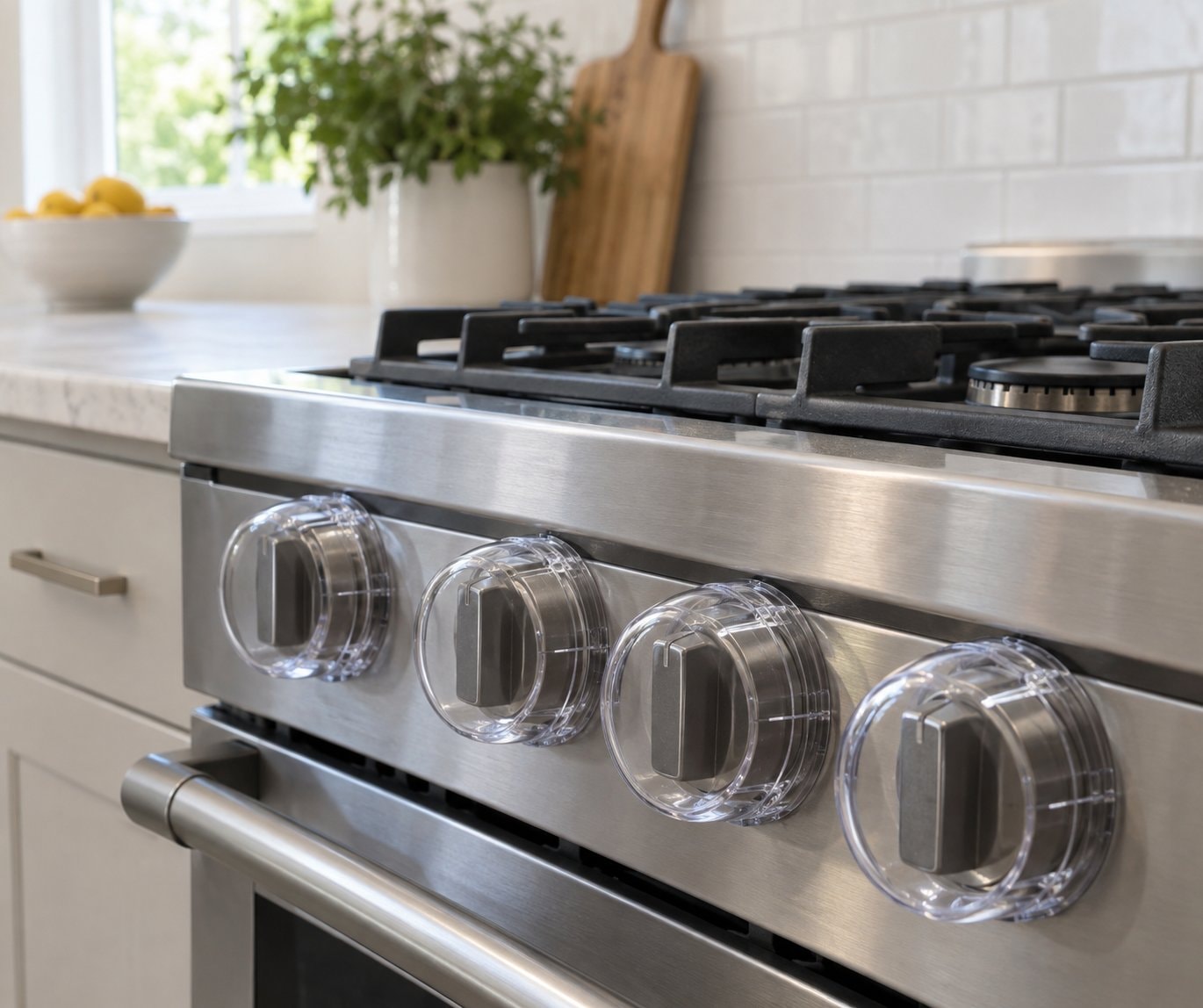
Check whether a pet can touch the controls. American Humane’s guidance discusses covering or removing stove knobs where appropriate. Ask about a suitable arrangement for the cooker rather than improvising a change. Keep the area around the controls clear of things that invite climbing, and include it in the household’s check before leaving home.
Choose where light and heat belong
A candle on a table may be within reach even when an animal seems unable to jump onto it. Keep pets away from burning candles and do not leave them unattended. Flameless candles avoid having an open flame in that location. Move lamps to stable positions where an animal cannot easily tip them or pull their cords.
A space heater needs clear space, including clear space from a pet’s bed or blanket. Do not turn the heater into a place where an animal is encouraged to settle. Check the route pets use around it. If a heater would sit beside the usual doorway or feeding area, reconsider the room arrangement before using it.
Keep a suitable metal or heat-tempered glass screen in place at a fireplace. A county fire and rescue service also advises a pet-free area around it. Glass doors and screens can remain hot after the fire is out, so the boundary needs to remain part of the room arrangement. Put the animal’s resting place well away from the fireplace.
Follow the cords as well as the furniture
Pets that chew can damage electrical cords. Look behind the places where an animal sleeps, explores or squeezes through. Loose wiring beside a lamp may be harder to notice than a cable across the middle of the floor. Keep cords out of reach and have damage or other electrical problems checked by a qualified professional.
Do not assume a cord is safe because most of it is hidden. A section beside a plug or a low shelf may still be accessible. Include temporary equipment in the check when the room changes. A rearranged lamp, seasonal decoration or heater can create an access route that was not there during the previous household check.
Plan the room for time away
Young animals may need a familiar, suitable area that keeps them away from the cooking and heating hazards while nobody is watching. Choose an arrangement that fits the kind of animal and its ordinary care. It should not put a carrier or enclosure beside a heater, electrical cord, candle or crowded exit.
Check that another adult who cares for the pets understands the arrangement. Explain which doors stay closed and which areas the animals can use. Put their normal bowls, bedding and enclosure where the care routine makes sense. A useful restriction is deliberate and familiar; it is not a hurried decision made as everyone leaves.
Help responders understand the pets in the home
American Humane’s pet fire guidance recommends a window decal showing the kind and number of pets. It also says to keep collar and microchip details current and to take a leash or carrier while leaving, when that can be done safely. A decal gives information; it does not replace telling firefighters what is known on scene.
Keep the decal consistent with the animals actually living in the home. A pet staying elsewhere changes the information responders need. If everyone has left with the pets and there is time without delaying escape, the ASPCA recommends marking the alert sticker to show that the animals have left. Do not linger to update a sticker during a fire.
Keep collars and identification appropriate to the animal’s normal care. Have a leash or carrier where the household can reach it as part of leaving. Know where pets usually hide, and be ready to describe those places from outside. The photos and identification guide explains the records that matter if an animal bolts.
Pair prevention with a way out
The ASPCA disaster preparedness guidance recommends keeping pet supplies and leashes near an exit and ensuring household members know where they are. Place them where they can be reached without blocking the route. A kit that obstructs the door or disappears into a crowded cupboard needs a different arrangement.
Use the smoke-alarm and escape-plan guide to connect the pet arrangements with the whole household’s route outside. During a fire, get everyone out and call 911. Never return for an animal. Tell firefighters the kind of pet, where it was last seen and its usual hiding place. Keep any pet already out secure and away from the scene.
Review the room when the household changes: a new pet, different furniture or a different place to cook or heat may alter what can be reached. Make the check practical. Follow the animal’s access to controls, flame, heat and cords, then check the route outside. Small changes to the layout are easier to manage before an alarm sounds.
When a pet stays with someone else, explain the same household boundaries there. A host may use a candle, stove or heater in a different place, and the animal may explore unfamiliar corners. Walk through the arrangement with the caregiver before leaving the pet. The conversation is about the actual room and animal, rather than assuming that a familiar rule has travelled with them.