
Ask about tonight before travelling
After a fire, follow the fire department’s directions about the scene. Ask the responders about disaster support for people who cannot return home. A veterinarian needs to check every animal that was in smoke. The first-hours guide covers those immediate tasks before accommodation decisions take over.
Tell each possible host about the kind of pets, their enclosures and ordinary care needs. Do not rely on a general statement that animals are welcome. Ask if the actual room or care space can take the household’s pets, and whether the arrangement is still available. A reply about policy is different from confirmation of space.
A friend or relative may be a starting point
Ask what the host can manage rather than assuming that a familiar home fits every animal. Discuss resident pets, doors that open often and a quiet place for a carrier or enclosure. Explain whether the household hopes to stay with the pets or needs someone else to care for them. Agree who will provide food, water and daily care.
Be clear about the end of the arrangement, even when the timing is uncertain. Decide how the host will reach the household and how changes will be discussed. If an animal needs ongoing veterinarian-directed care, explain those needs honestly. Do not leave the host to discover important details after the household has gone.
Check a hotel’s actual animal policy
The American Red Cross pet preparedness guidance recommends checking which hotels accept pets and asking ahead about emergency arrangements. It also suggests planning with friends, relatives and animal-care facilities. These are options to investigate, not a promise that a room will be available when a household needs it.
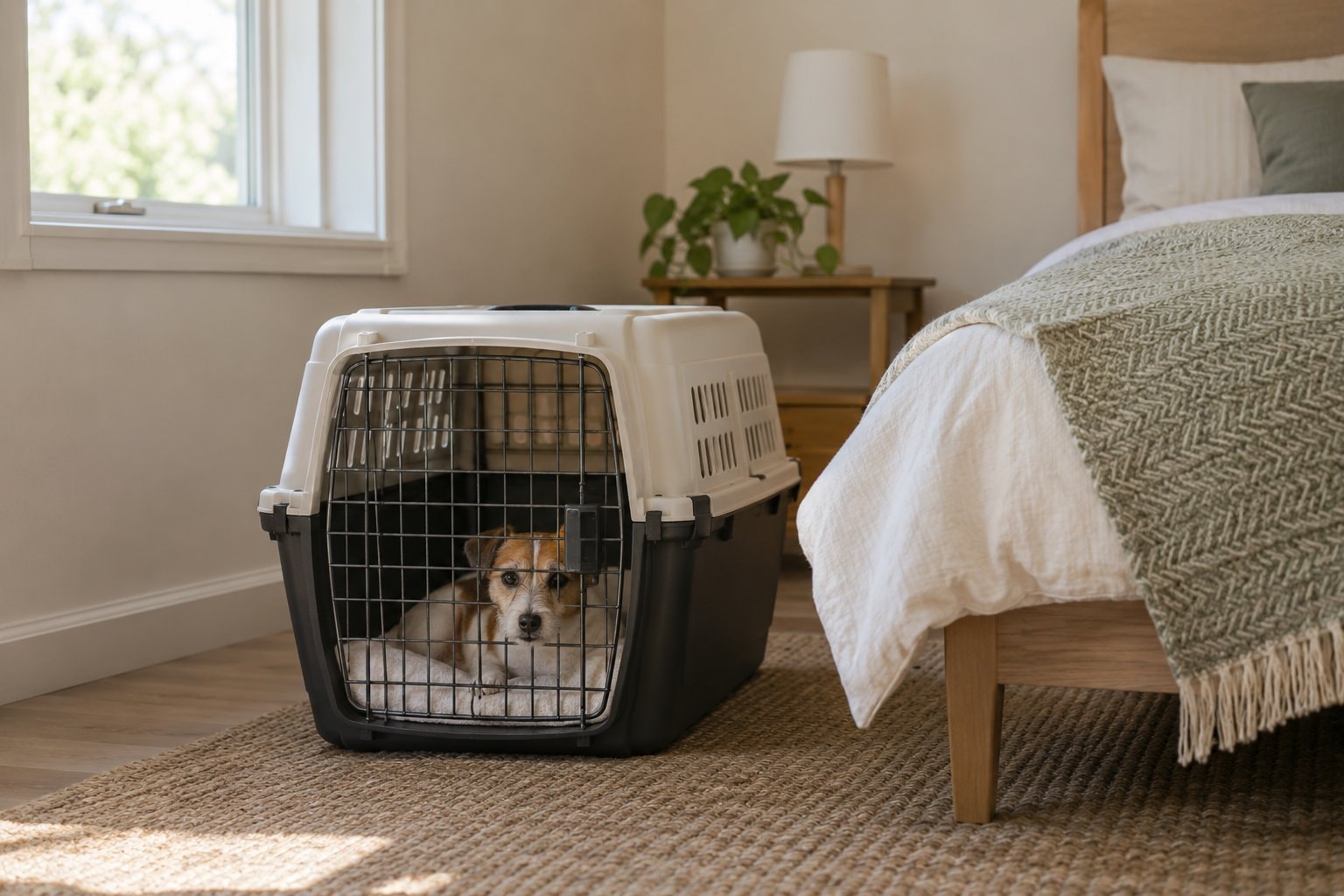
Ask about the kinds of animals permitted and whether they can be in the room with you. Explain any carrier or enclosure that will be needed. Ask about the rules for moving through shared areas and being away from the room. Obtain a clear answer before making the journey. Keep the pet contained while the arrival arrangements are discussed.
Temporary boarding means a separate care arrangement
The Wikipedia reference on kennels describes boarding as temporary housing for animals. The term does not tell a household everything about a particular facility. Ask whether it can take the species concerned, what records it requires and who handles routine care. No facility’s space or suitability can be assumed from its name.
Explain that the animal has been displaced by a home emergency. Share the veterinary check information if it was in smoke. Ask who will receive the animal, how the household will hear about its care and what happens if the stay needs to change. Keep written details of the agreed arrangement with the household’s other pet records.
Understand disaster shelter arrangements
The American Red Cross shelter guidance says disaster assistance is free. When possible, its workers do all they can to accommodate household pets. Depending on the situation, pets may need to be housed in a different location. Service animals are always welcome in Red Cross shelters and are not considered pets. Ask workers to explain the arrangement at the location serving the emergency.
A service animal performs tasks related to a person’s disability. That is a different role from being a household pet or providing companionship. Explain the animal’s role to shelter workers and ask about any supplies it needs. For household pets, find out where they will be housed and how their people will receive information about them.
If no arrangement is clear, ask the local animal shelter or animal control about emergency options. Ready.gov includes these offices among the places that can give advice about pet emergency planning. They can explain local possibilities; the guide cannot know what is open or what any particular animal-care service can provide.
Bring the useful things that are already accessible
Do not go back into a building for supplies. Take what is available without entering an unsafe area. A secure carrier or leash, familiar food, drinking water and bowls are useful for the move. Records of identification and veterinarian-directed care help explain the animal’s needs. Recent photographs can help if people and pets become separated.
The pet emergency kit guide gives a fuller list for advance planning. If the kit was left inside, tell the next caregiver which items are missing. Ask what can be arranged at the destination. An incomplete bag is a practical problem to explain, rather than a reason to return to the home.
Make the temporary routine understandable
Use the animal’s familiar feeding and rest routine where the setting allows. Give a caregiver plain notes about the food normally eaten, where the animal settles and how it is usually contained. Keep unfamiliar visitors away from the animal’s resting space. Check doors and enclosure fastenings before moving pets between rooms or outside.
If separate care is needed, decide who will communicate with the caregiver and who can authorise changes. Write down what was agreed rather than relying on a hurried conversation. The guide to longer-term care decisions explains how temporary care differs from surrender or adoption if the household cannot yet plan a return.
At the next opportunity, confirm that the arrangement still fits the household and the animal. Tell the caregiver when housing plans change. A short stay can become a longer discussion, but the purpose remains clear: keep the animal’s care settled while the household works out its next safe home.